Discover Skin Revitalization at Yeppeun Skin Clinic Dubai, a DHA-licensed PDRN skin booster that repairs, hydrates, and rebuilds skin quality from within.
Skin Revitalization is a PDRN-based skin booster treatment that uses polydeoxyribonucleotide, a repair molecule sourced from salmon milt, to help the skin regenerate and rebuild its own collagen structure. It’s delivered through a series of fine micro-injections into the skin, and it’s become one of the most searched-for treatments among Korean skincare fans and Dubai residents chasing that dewy, “glass skin” look. Most people need about 3 to 5 sessions spaced two weeks apart, though some notice a difference after just one. Sessions take 5 to 10 minutes, downtime is minimal, and results generally last 6 to 8 months. At Yeppeun Skin Clinic in Jumeirah 2, this treatment is delivered following Korean-standard protocols under DHA/MOHAP licensing, because a skin booster is only as good as the hands and hygiene standards behind the needle.
What are the benefits of Skin Revitalization?
Skin Revitalization works by helping your skin repair and hydrate itself from the inside, rather than sitting on the surface like a serum. Because PDRN signals skin cells to regenerate, the benefits tend to build over the course of your sessions rather than show up all at once.
Patients commonly notice:
- Deeper hydration that lasts longer than topical moisturizers, since PDRN draws and holds water within the skin
- Smoother texture as damaged or dull surface cells are gradually renewed
- A calmer, less reactive complexion, since PDRN has anti-inflammatory properties that can settle redness and irritation
- A gradual, natural-looking bounce to the skin as the treatment supports the skin’s own collagen-building process
- A healthier glow: the “your skin but better” look, rather than an obviously “done” appearance
- Support for compromised or barrier-damaged skin, including skin that’s dry, sensitive, or recovering from over-exfoliation or sun damage
Why PDRN specifically? Unlike fillers, which add volume, PDRN works as a signal molecule, it essentially tells your own skin cells to get to work on repair. That’s why results read as “skin quality” improvement rather than a change in shape or contour. This mechanism is also why PDRN skin boosters have become such a fixture in Korean dermatology clinics, where “skin health first, filler later” is the standard philosophy Yeppeun follows.
It’s worth noting results vary by individual, skin condition, age, lifestyle, and sun exposure all play a role. A consultation with a licensed practitioner is the only way to know what result profile is realistic for your skin.
What can you expect during a Skin Revitalization session?
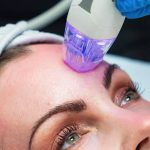
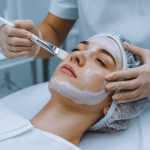
A Skin Revitalization session at Yeppeun starts with cleansing and a topical numbing cream, left on for about 30 minutes so the micro-injections are as comfortable as possible. After that, the actual injection process only takes 5 to 10 minutes.
Here’s the general flow:
- Consultation and skin assessment: your practitioner checks your skin condition and confirms you’re a suitable candidate.
- Cleansing and numbing: a topical anesthetic is applied and given time to take effect.
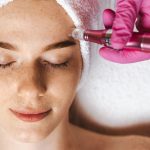
- PDRN micro-injections: the solution is delivered in a grid or fanning pattern across the treatment area using a fine needle.
- Cooling and calming: a soothing mask or cooling step helps settle the skin immediately after.
- Aftercare guidance: you’ll be sent home with simple do’s and don’ts for the next few days.
What makes the Yeppeun approach Korean-standard isn’t just the product, it’s the injection technique. Depth, spacing, and pressure all affect how evenly the PDRN distributes and how comfortable the session feels. This attention to technique is standard practice in Korean clinics and is what Yeppeun’s protocol is built around, under DHA/MOHAP oversight.
Immediately after treatment, it’s normal to see small bumps, mild redness, and the occasional tiny bruise at injection points, this is expected and not a sign of anything going wrong. These typically fade within 1 to 2 days. Most patients return to normal activities the same day, which is why this treatment is popular with people who can’t afford visible downtime.
Aftercare is simple but matters:
- Avoid retinol and exfoliating/peeling products for at least one week
- Skip makeup for the first several hours if possible
- Use gentle, fragrance-free skincare while the skin settles
- Wear SPF daily: this is non-negotiable in Dubai’s climate
- Avoid saunas, intense workouts, and sun exposure for a day or two post-treatment
How long do results last?
Results from Skin Revitalization typically last around 6 to 8 months per treatment course, though this varies based on your skin’s baseline condition, age, and lifestyle factors like sun exposure and smoking. Because PDRN works by encouraging the skin’s own regenerative processes, the visible improvement tends to build gradually across your session series rather than fade as a single event.
A few things affect how long your results hold:
- Number of sessions completed: a full course of 3 to 5 sessions generally produces more durable results than a single session
- Skin condition at baseline: more compromised or aged skin may need more frequent maintenance
- Sun protection habits: UV exposure accelerates collagen breakdown, which shortens how long results are visible
- Skincare routine: using barrier-supportive products between sessions helps maintain the effect
Most patients choose to repeat a Skin Revitalization course every 6 to 8 months to maintain results, similar to how you’d schedule a dental cleaning, as ongoing skin maintenance rather than a one-time fix. This isn’t a permanent treatment, and no responsible clinic should promise it will be; skin continues to age and change regardless of any single procedure, so ongoing care is part of realistic expectations.
It also helps to think about timing in stages. In the first week or two after a session, you may notice slightly plumper, more hydrated-looking skin as swelling settles and PDRN begins its repair signaling. Over the following weeks, as you complete additional sessions in your course, texture and tone changes tend to become more visible and consistent. Many patients say the biggest difference is noticeable once they’ve finished a full course rather than after any single visit, which is why sticking to the recommended two-week spacing between sessions matters for the final result.
Is Skin Revitalization for me?
Skin Revitalization is generally suitable for anyone looking to improve overall skin quality, hydration, and texture, particularly if your skin feels dull, dehydrated, tight, or reactive. It’s also a common choice for people managing early signs of aging, sun damage, or a compromised skin barrier from over-treating with actives.
You may be a good candidate if you’re dealing with:
- Persistent dullness or a tired-looking complexion
- Dehydrated or dry skin that doesn’t respond well to topical products alone
- Fine lines or early textural changes
- Redness or sensitivity linked to a weakened skin barrier
- Post-sun or post-acne skin that needs a regenerative boost
- A desire for a “no-makeup skin” glow without more invasive procedures
That said, not everyone is a candidate on day one. Active skin infections, certain allergies, pregnancy, or specific medical conditions may mean postponing or avoiding the treatment. This is exactly why Yeppeun requires a proper consultation before any session, suitability has to be assessed by a licensed practitioner who can review your medical history and skin condition directly, not guessed at from a blog post.
If you’re newer to injectable skin treatments, Skin Revitalization is often recommended as an entry point because it’s low-downtime and doesn’t change facial shape or expression. If you’re already familiar with skin boosters or have tried similar treatments elsewhere, your practitioner can advise on how it fits into or updates your existing routine.
Dubai’s climate is also a real factor in candidacy conversations. Heat, sun exposure, and air conditioning can all dehydrate and stress the skin barrier faster than in milder climates, which is one reason skin boosters have become such a routine part of skincare maintenance here. If your skin regularly feels tight, flaky, or dull despite a solid skincare routine, that’s often a sign your barrier could use the kind of internal support a PDRN skin booster is designed to provide, but again, this is something to confirm with a licensed practitioner rather than self-diagnose.
What are the possible combinations for Skin Revitalization?
Skin Revitalization is commonly combined with other treatments to target concerns that a skin booster alone doesn’t address, such as fine lines, laxity, or deeper pigmentation. Combination planning should always go through your practitioner, since sequencing and spacing between treatments matters for both safety and results.
Popular pairings include:
- Thread lifting: for patients wanting to address skin laxity alongside improved skin quality; PDRN can support skin healing around the treated area
- HydraFacial Booster: for an added deep-cleansing and hydration step, often used in the same visit or alternated between skin booster sessions
- CO2 Fractional Laser: for patients also concerned with acne scarring, texture, or pigmentation, typically sequenced with appropriate spacing from PDRN sessions
- BB Shine (glow treatments): a popular Korean-inspired pairing for patients chasing that dewy, radiant finish on top of the skin’s structural repair
- Botulinum toxin or filler: for patients also interested in addressing dynamic lines or volume loss, usually scheduled separately from booster sessions
The right combination depends entirely on your skin goals, concerns, and how your skin responds to each individual treatment. Your Yeppeun practitioner will walk you through a realistic sequencing plan during consultation, there’s no single “best” combination, only the one that’s right for your skin.
Book Your Skin Revitalization Appointment Today
Ready to see what a Korean-standard PDRN skin booster can do for your skin quality? Book a consultation with the licensed practitioners at Yeppeun Skin Clinic in Jumeirah 2, Dubai, and get a personalized assessment of your candidacy, expected timeline, and treatment plan.
Yeppeun Skin Clinic is DHA/MOHAP-licensed and follows Korean-standard aesthetic protocols, so you can book knowing your treatment is being delivered to a recognized clinical standard.
Follow Yeppeun Skin Clinic on Instagram for real patient results, behind-the-scenes clinic content, and updates on new treatments as they launch.
Frequently Asked Questions
What is a PDRN skin booster and how does it work?
A PDRN skin booster is an injectable treatment that delivers polydeoxyribonucleotide, a repair molecule derived from salmon milt, into the skin to encourage cell regeneration and support collagen production. It works by signaling the skin’s own repair processes rather than adding volume, which is why results show up as improved hydration, texture, and glow over a series of sessions.
How long does a skin booster treatment last?
Results from a PDRN skin booster like Skin Revitalization typically last 6 to 8 months, depending on skin condition, age, and lifestyle factors such as sun exposure. Most patients repeat a full course every 6 to 8 months to maintain results, since this is a maintenance-style treatment rather than a one-time permanent fix.
Does a PDRN skin booster hurt?
Most patients describe mild discomfort rather than significant pain, since a topical numbing cream is applied for about 30 minutes before the micro-injections begin. Small bumps, mild redness, or the occasional tiny bruise can appear right after treatment, but these typically resolve within 1 to 2 days.
How many sessions of Skin Revitalization do I need?
Most patients need about 3 to 5 sessions spaced two weeks apart for optimal results, though some notice visible improvement after a single session. The right number depends on your skin’s baseline condition and goals, which your practitioner will assess during consultation.
How is Skin Revitalization different from a HydraFacial?
Skin Revitalization uses injectable PDRN to work on skin regeneration from within the deeper layers of the skin, while a HydraFacial is a non-injectable treatment that cleanses, exfoliates, and hydrates the surface layer. Many patients combine the two, using HydraFacial for surface renewal and Skin Revitalization for deeper repair and collagen support.