Struggling with stubborn acne in Dubai’s heat and humidity? Photodynamic Therapy (PDT) combines a topical photosensitizer with targeted light to treat acne at the source in about 20 minutes, with minimal downtime, at Yeppeun Skin Clinic in Jumeirah 2.
If you’ve tried topical creams, antibiotics, or even Accutane and your acne keeps coming back, Photodynamic Therapy (PDT) targets the problem differently, at the root, not just the surface. PDT combines a topical photosensitizing agent with a specific wavelength of light to shrink oil glands and reduce acne-causing bacteria in a single, roughly 20-minute session. It’s DHA/MOHAP-licensed and delivered using Korean-standard protocols at Yeppeun Skin Clinic, a technique widely used across Korea and globally for persistent, oil-driven breakouts. Downtime is minimal, most patients see slight redness or a short “purging” phase that settles quickly. This guide walks through how PDT works, what a session feels like, how long results last, who’s a good candidate, and how to combine it with other treatments for oilier, calmer, more even-looking skin.
What are the benefits of Photodynamic Therapy?
PDT targets acne at its source, the overactive sebaceous (oil) glands and acne-causing bacteria beneath the surface, rather than just calming visible breakouts.
Core benefits include:
- Reduced oil production. The light-activated photosensitizer shrinks sebaceous glands, which means less oil feeding future breakouts.
- Fewer acne-causing bacteria. The activated compound targets the bacteria associated with inflammatory acne, helping calm active breakouts.
- Works where other options have stalled. PDT is often considered for acne that hasn’t responded well to topical treatments or oral medication.
- Fast in-clinic sessions. Each session takes approximately 20 minutes, making it realistic to fit around a Dubai work schedule.
- Minimal downtime. Unlike more aggressive laser resurfacing, PDT doesn’t typically require days off: some redness or a short purging phase is the most common reaction.
- Suitable across skin tones and types. PDT is generally well tolerated on all skin tones, including sensitive skin, though a licensed consultation will confirm your suitability.
- A non-antibiotic route. For patients wary of long-term oral antibiotics or concerned about isotretinoin (Accutane) side effects, PDT offers a different mechanism worth discussing with a licensed provider.
It’s worth being clear-eyed here: PDT is not a one-time fix and results build with a course of sessions, not a single visit. A licensed consultation at Yeppeun will assess your skin and advise on the realistic number of sessions for your case.
What can you expect during a Photodynamic Therapy session?
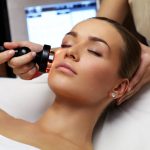
A PDT session at Yeppeun follows a straightforward, three-part process: cleanse and apply the photosensitizer, let it absorb, then activate it with light. The full appointment is typically around 20 minutes of treatment time, plus incubation.
Step by step:
- Skin is thoroughly cleansed to remove oil, makeup, and debris so the photosensitizing agent can absorb evenly.
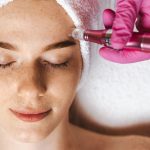
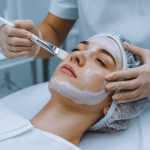
- Apply the photosensitizer. A topical photosensitizing solution is applied to the treatment area and left to absorb into the oil glands and affected follicles.
- Incubation period. The solution needs time to be taken up by the skin before light activation: your provider will confirm the appropriate timing for your treatment plan.
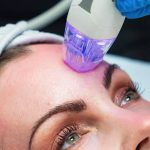
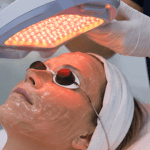
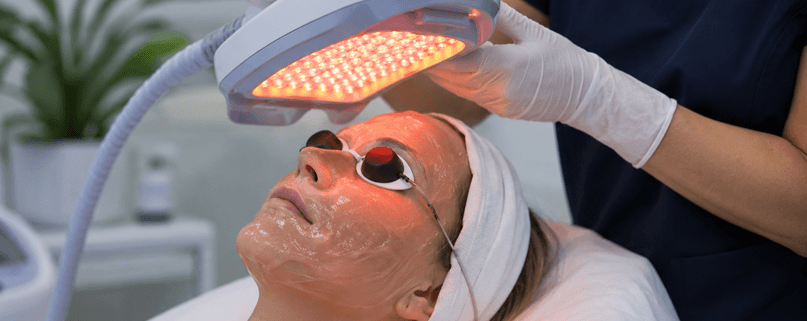
- Light activation. A specific wavelength of light is used in PDT mode to activate the photosensitizer, which then works on the sebaceous glands and acne-causing bacteria.
- Immediate aftercare. A calming moisturizer and broad-spectrum sunscreen are applied before you leave.
Sensation: Most patients describe a warm or mildly tingling sensation during light activation rather than sharp pain. Because the treatment stays close to the surface, it doesn’t typically require numbing cream.
Korean-standard technique note: Yeppeun applies PDT using calibrated light-dose protocols and a structured incubation window, a technique-driven approach rooted in the precision standards Korean clinics are known for, rather than a rushed, one-size-fits-all pass.
Right after treatment, it’s normal to notice:
- Mild redness, similar to a light sunburn
- A short “purging” phase where the skin pushes out impurities, sometimes with minor breakouts, that generally settles within a few days
- Slight warmth or tightness in the treated area for a few hours
This is why the single most important instruction after PDT is sun avoidance, more on that below.
How long do results last?
Results build gradually over a course of sessions rather than appearing after one visit, and how long clearer skin lasts depends on your skin’s oil production, your skincare routine, and consistency with maintenance sessions.
- Timeline: Many patients notice a reduction in active breakouts and oiliness within a few weeks of starting a course, with continued improvement as sessions progress.
- Course-based approach: Because PDT works by gradually reducing gland activity and bacterial load, most patients need more than one session to see meaningful change: your provider will outline a specific plan based on your skin during consultation.
- Maintenance: Skin’s oil production can fluctuate with hormones, stress, humidity, and skincare habits, so periodic maintenance sessions are commonly recommended to sustain results over time. PDT is not a one-time or permanent fix: ongoing skincare and occasional touch-ups help preserve the improvement.
- What helps results last longer:
- Consistent daily sunscreen use
- A gentle, non-comedogenic skincare routine
- Avoiding harsh actives (retinol, strong peeling solutions) for 5–7 days post-session, as advised
- Following your provider’s maintenance schedule
If breakouts return sooner than expected, that’s worth flagging at your next consultation rather than assuming the treatment “didn’t work”: oil-driven acne is often a long-term skin condition that benefits from an ongoing management plan.
Is Photodynamic Therapy for me?
PDT is generally considered for people dealing with persistent, oil-driven acne, particularly acne that hasn’t responded well to topical treatments, though only a licensed provider can confirm if it’s right for you. Yeppeun does not diagnose acne type or severity through online content; a licensed consultation at the clinic is the way to get a proper assessment.
PDT may be worth discussing at consultation if you:
- Deal with ongoing breakouts and excess oil production despite a consistent skincare routine
- Have tried topical treatments without the results you hoped for
- Want an option that doesn’t rely on long-term oral antibiotics
- Are curious about PDT as part of a broader plan alongside, or as an alternative pathway to, options like Accutane: again, something to discuss directly with your provider
- Have generally healthy skin with no active infections, open wounds, or conditions that would make light-based treatment inadvisable
Good to flag at your consultation:
- Pregnancy or breastfeeding
- Photosensitizing medications or a history of photosensitivity
- Certain autoimmune or light-sensitive skin conditions
- Recent sun exposure or planned intense sun exposure shortly after treatment
- Any active skin infection in the treatment area
A common worry worth addressing directly: many patients researching PDT online come across concerns about “extreme sun sensitivity” after treatment. It’s true that the treated area becomes more light-reactive for a period after the photosensitizer is applied and activated, which is exactly why strict sun avoidance and daily SPF are non-negotiable parts of aftercare. Your provider will walk you through exactly how long to be cautious and how to protect your skin, especially given Dubai’s year-round sun intensity.
What patients often ask about downtime: unlike deeper resurfacing lasers that require days of visible peeling, PDT’s downtime is generally limited to short-term redness and light sensitivity. That said, “minimal downtime” doesn’t mean “no precautions”: planning your session around a few low-sun days, especially during Dubai’s brighter months, makes the recovery period noticeably smoother.
This is general information, not a diagnosis. A licensed consultation is the only way to know if PDT, or a different treatment entirely, is the right fit for your skin.
What are the possible combinations for Photodynamic Therapy?
PDT is often paired with complementary treatments to support oil control, calm the skin, and improve overall texture, always guided by a licensed provider’s assessment of your skin.
- Hydra Facial Booster: Deep cleansing and hydration can complement PDT’s oil-reducing effects, helping skin feel balanced rather than stripped during a course of treatments.
- Clear Laser or similar gentle laser toning: For patients also dealing with redness or uneven tone alongside acne, a complementary laser approach may be discussed as part of an overall skin plan.
- Medical-grade skincare and sunscreen protocols: Since sun protection is critical during and after PDT, your provider may recommend a specific SPF and gentle-cleanser routine to use between sessions.
- Ongoing acne management plans: PDT is frequently one part of a broader strategy that may include skincare adjustments and periodic in-clinic sessions, tailored to how your skin responds over time.
Combination planning is always individualized, what pairs well with your PDT course depends on your skin’s specific needs, which is something your provider will map out during consultation.
A note on sequencing: combining treatments doesn’t mean stacking everything into one visit. Your provider will space out complementary sessions appropriately so your skin has time to recover between light-based and exfoliating treatments, particularly while sun sensitivity from PDT is still settling.
Book Your Photodynamic Therapy Appointment Today
If persistent acne and excess oil have been frustrating you, it’s time for an honest, licensed assessment rather than more guesswork. Book a consultation at Yeppeun Skin Clinic in Jumeirah 2, Dubai, and find out whether Photodynamic Therapy fits your skin, your goals, and your routine.
Follow Yeppeun Skin Clinic on Instagram for real patient journeys, aftercare tips, and a closer look at Korean-standard skin treatments available right here in Dubai.
Frequently Asked Questions
Does Photodynamic Therapy hurt?
Most patients describe PDT as a warm, mildly tingling sensation during the light-activation step rather than pain. Some redness and light sensitivity afterward are normal and typically settle within a few days.
How is PDT different from Accutane for acne?
PDT uses a topical photosensitizer activated by light to target oil glands and acne-causing bacteria directly in the skin, while Accutane (isotretinoin) is an oral medication that works systemically. Many patients research PDT as an alternative or complementary approach to discuss with their provider, especially if they’re concerned about Accutane’s side effects, a licensed consultation can help you weigh the options for your specific case.
How many PDT sessions will I need for acne?
The number of sessions varies by individual, as PDT results build gradually over a course of treatment rather than after one visit. Your provider will recommend a specific session plan after assessing your skin during consultation.
Is PDT safe for sensitive or darker skin tones?
PDT is generally considered suitable across a range of skin tones and types, including sensitive skin, but individual suitability should always be confirmed with a licensed provider at consultation.
What’s the most important aftercare step after PDT?
Strict sun avoidance and daily sunscreen use are essential immediately after PDT, since treated skin is temporarily more light-reactive. Avoiding retinol and peeling solutions for 5–7 days, using a mild cleanser, and skipping saunas or hot baths for 24 hours are also recommended.