Reboot Peel at Yeppeun Skin Clinic is a Korean-standard LHA (lipohydroxy acid) facial peel that clears congested pores, fades dullness, and calms redness in about 30 minutes, with minimal downtime. DHA/MOHAP-licensed clinic in Jumeirah 2, Dubai.
If your skin has been looking tired, congested, or uneven lately, you don’t necessarily need an aggressive peel to fix it. The Reboot Peel uses Lipohydroxy Acid (LHA), a gentler cousin of salicylic acid, to dissolve built-up oil and dead skin cells inside the pore, without the harsh flaking or multi-day downtime associated with stronger acid peels. In roughly 30 minutes, the treatment combines an LHA solution with a diatomaceous modeling mask and red light therapy to deep-clean, brighten, and soothe in a single session. It’s designed for people who want visibly clearer, more even-toned skin without disrupting their week. Most people notice mild tingling and light redness during treatment that settles quickly afterward. This article walks through what the Reboot Peel actually does, what a session feels like, how long results tend to last, who’s a good candidate, and how it pairs with other treatments at Yeppeun Skin Clinic. As always, a licensed consultation is the best way to confirm suitability for your skin.
What are the benefits of Reboot Peel?
The Reboot Peel is built to reset dull, congested skin without the harshness of a stronger peel. Because LHA is oil-soluble, it penetrates directly into the pore lining rather than sitting on the surface, which is why the clinic positions it as a deep-cleansing treatment first, and a brightening treatment second.
Core benefits include:
- Deep pore cleansing: LHA dissolves excess oil, debris, and dead skin cells lodged inside pores, helping reduce visible congestion and blackhead-prone areas.
- Brighter, more even tone: by clearing away dulling buildup on the skin’s surface, the peel helps restore natural radiance.
- Smoother texture: regular gentle exfoliation supports a softer, more refined skin surface over time.
- Fading of brown spots and freckles: LHA’s exfoliating action can help gradually soften the look of surface-level pigmentation and sun-related discoloration.
- Calming, anti-inflammatory effect: the treatment is formulated to be soothing rather than irritating, which is why it’s positioned as suitable even for reactive or sensitive skin.
- Minimal downtime: most people can return to normal activities the same day.
Because LHA has a larger molecular structure than glycolic or salicylic acid, it exfoliates more slowly and evenly. In practice, that means fewer of the sharp, stinging reactions associated with stronger peels, which is the main reason this treatment is often recommended as an entry-level or “maintenance” peel rather than an intensive corrective one.
For Dubai residents specifically, this matters more than it might elsewhere. Heat, humidity, air conditioning, and higher UV exposure all put extra strain on the skin barrier year-round, which is part of why a lower-irritation option like the Reboot Peel tends to suit the local climate better than more aggressive resurfacing treatments used elsewhere.
What can you expect during a Reboot Peel?
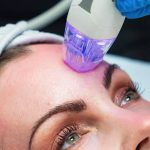
A Reboot Peel session takes about 30 minutes from start to finish, and follows a Korean-standard, multi-step protocol rather than a single acid application.
Here’s the general flow:
- Skin assessment: your practitioner reviews your skin condition, concerns, and any recent treatments or products before proceeding.
- Cleansing: the skin is thoroughly cleansed to remove oil, makeup, and surface debris so the LHA solution can penetrate evenly.
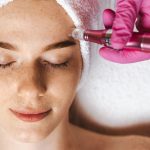
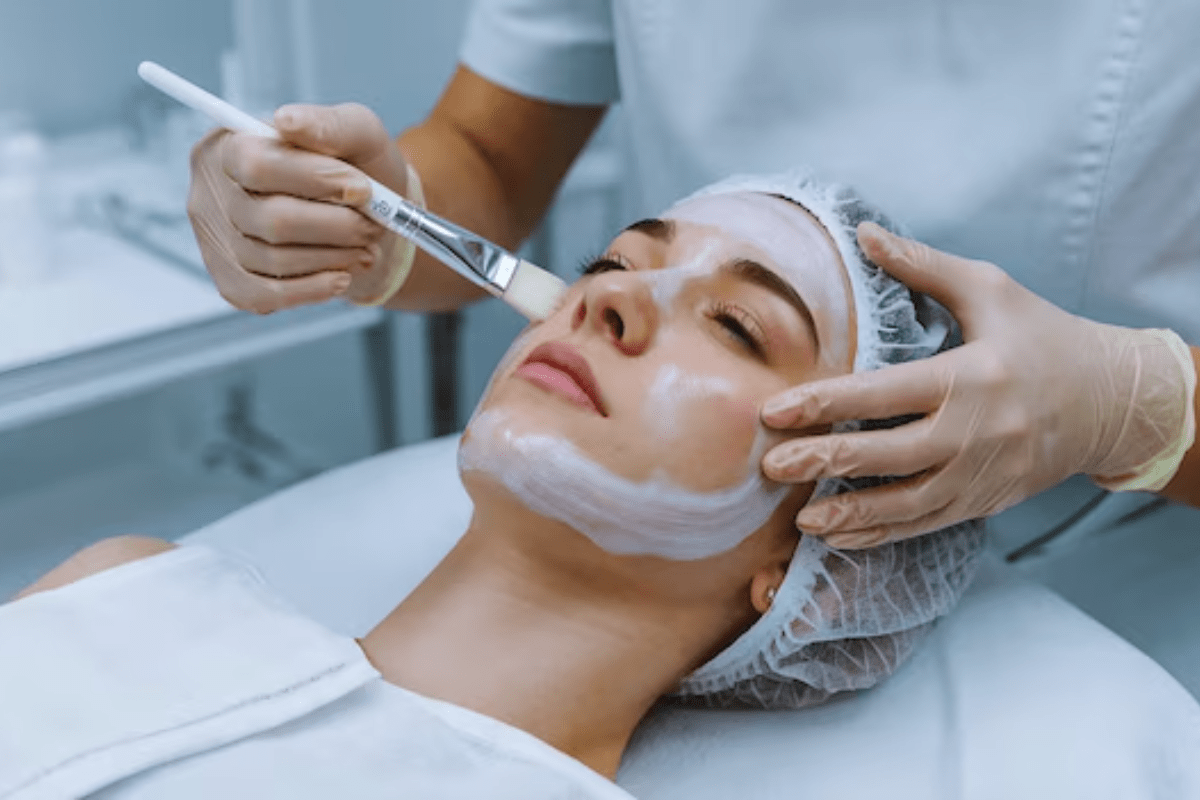
- LHA application: the lipohydroxy acid solution is applied to target congestion, dullness, and uneven tone at the pore level.
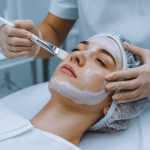
- Diatomaceous modeling mask: a mineral-rich modeling mask is applied to help draw out impurities and support the peel’s deep-cleansing action.
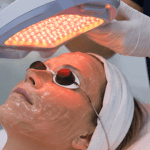
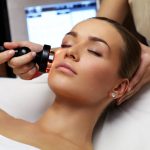
- Red light therapy: a calming light therapy step is used to help soothe the skin and support the skin’s natural recovery process after exfoliation.
- Finishing products: moisturizer and sunscreen are applied before you leave.
During and immediately after treatment, it’s common to notice a slight tingling sensation and mild redness, both are expected and typically subside quickly. There’s no peeling or downtime routine required beyond standard aftercare.
Aftercare guidance typically includes:
- Avoid peeling products, retinol, or other potentially drying actives for 5–7 days after treatment.
- Keep skin moisturized and apply sunscreen daily.
- Avoid saunas, steam rooms, or hot baths for 24 hours post-treatment.
- Skip other exfoliating treatments until your practitioner confirms your skin has settled.
Because the protocol is gentle, most people can wear light makeup and resume their normal routine the same day, though your practitioner may adjust this depending on how your skin responds.
If you’re comparing this to other facials you may have tried, the biggest difference is what happens after you leave. There’s no visible flaking, no multi-day peeling phase, and no need to plan around a “recovery window”: which is why this treatment is often chosen for lunch breaks or as a pre-event refresh rather than something you need to schedule a quiet weekend around.
How long do results last?
Visible improvements in tone and clarity are usually noticeable soon after the session, but the Reboot Peel is best understood as a maintenance and reset treatment rather than a one-time fix. Since skin naturally renews and re-congests over time, especially in Dubai’s climate, where heat, humidity, and pollution can accelerate oil buildup and dullness, most people benefit from repeating the treatment on a regular cycle rather than a single visit.
A few factors shape how long your results hold:
- Skin type and oil production: oilier skin tends to re-congest faster and may benefit from more frequent sessions.
- Sun exposure and SPF habits: consistent sunscreen use helps preserve brightening results and prevents new pigmentation from forming.
- Skincare routine: using gentle, non-stripping products alongside the peel helps maintain the “reset” effect longer.
- Environmental exposure: Dubai’s dust, humidity, and air conditioning can all affect how quickly skin re-congests.
Your practitioner can recommend a session frequency suited to your skin during your consultation, this is typically discussed as part of an ongoing skincare maintenance plan rather than a fixed one-off number. No peel offers a permanent change to skin behavior; consistent skincare and periodic treatments are what sustain results over time.
Many people find it helpful to think of the Reboot Peel the way they’d think of a deep-cleaning facial: useful as a standalone refresh before an event, and equally useful as a recurring step in a longer-term skincare plan. Your practitioner can help you decide which approach fits your goals, whether that’s occasional maintenance or a more structured, ongoing protocol.
Is Reboot Peel for me?
The Reboot Peel is designed to be broadly accessible, including for skin types that usually can’t tolerate stronger peels. It’s generally considered suitable for:
- Sensitive or reactive skin that reacts poorly to harsher acids
- Dull, tired-looking skin in need of a refresh
- Uneven skin tone or texture
- Mild acne or congestion-prone skin
- Surface-level brown spots or freckles
- Anyone wanting a deep-clean facial without downtime
It may be less appropriate, or require closer evaluation, if you have:
- Active, inflamed acne breakouts or open skin lesions
- A known allergy or sensitivity to salicylic-acid-family ingredients
- Very recently had another exfoliating or resurfacing treatment
- Active skin conditions such as eczema flare-ups or dermatitis in the treatment area
This is general guidance, not a diagnosis. Because everyone’s skin history, medication use, and sensitivity levels differ, the only reliable way to confirm candidacy is a consultation with a licensed practitioner at Yeppeun Skin Clinic, where your skin can be properly assessed before any treatment plan is recommended.
It’s also worth mentioning if you’re currently using prescription skincare (such as tretinoin or other retinoids), have had recent laser or resurfacing treatments, or are pregnant or breastfeeding, these are all factors your practitioner will want to know before recommending a peel-based protocol.
What are the possible combinations for Reboot Peel?
Because the Reboot Peel is gentle and non-disruptive, it pairs well with other treatments as part of a broader skincare plan, either on the same visit or as part of a sequenced protocol, depending on what your practitioner recommends.
Commonly paired treatments include:
- Clear Laser: for additional pore-clearing and oil-control benefits, often used together for congestion-prone skin.
- Pico Tone-up Laser: to further target pigmentation and support overall skin brightness.
- Hydra Facial Booster: for added hydration and glow, especially useful if your skin feels dry after exfoliation.
- Skin Boosters: to support deeper hydration and skin quality between peel sessions.
Two additional combinations worth discussing at consultation:
- LED/red light maintenance sessions: since red light is already part of the Reboot Peel protocol, some clients add standalone light therapy sessions between peels to support calming and recovery.
- Sunscreen and barrier-support skincare: not a clinic treatment, but a practitioner-recommended home routine that helps protect and extend results from any peel-based protocol.
Your practitioner will design a sequence based on your skin goals, whether that’s pore control, brightening, hydration, or overall skin reset, rather than treating each service in isolation.
Book Your Reboot Peel Appointment Today
Ready for a gentle, Korean-standard reset for dull or congested skin? Book a consultation with Yeppeun Skin Clinic in Jumeirah 2, Dubai, and let a licensed practitioner assess your skin and recommend a treatment plan tailored to you.
Follow Yeppeun Skin Clinic on Instagram for real client results, skincare tips, and behind-the-scenes looks at Korean-standard treatments in Dubai.
Frequently Asked Questions
What is a Reboot Peel?
The Reboot Peel is a Korean-standard facial treatment that uses Lipohydroxy Acid (LHA) to gently dissolve dead skin cells and pore congestion, paired with a diatomaceous modeling mask and red light therapy. It’s designed to brighten and clarify skin with minimal downtime.
Is the Reboot Peel painful?
No. Most people experience a slight tingling sensation and mild redness during treatment, both of which typically subside quickly. It’s considered a gentler alternative to stronger chemical peels.
How is Reboot Peel different from a regular chemical peel?
LHA has a larger molecular structure than glycolic or salicylic acid, so it exfoliates more slowly and gently. This makes the Reboot Peel suitable for sensitive skin types that may not tolerate more intensive peels well.
How long does a Reboot Peel session take?
The full treatment takes about 30 minutes, including cleansing, the LHA application, the modeling mask, and red light therapy.
Can I wear makeup after a Reboot Peel?
Most people can resume normal activities, including light makeup, the same day, though your practitioner may give specific guidance based on how your skin responds. Avoid peeling products, retinol, and drying actives for 5–7 days after treatment.