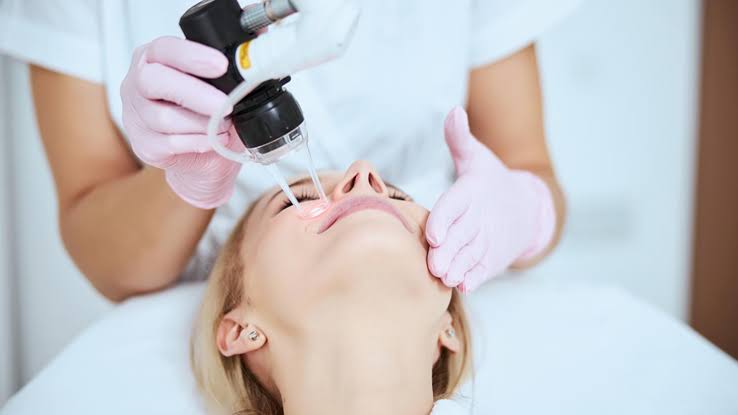
Considering CO2 fractional laser in Dubai? This DHA-licensed guide covers how the CoolPeel-enabled 10,600nm CO2 laser treats acne scars, fine lines, and stretch marks, what recovery actually looks like day-by-day, and how Yeppeun Skin Clinic’s Korean-standard protocol fits into your skincare routine.
If you’ve been searching “CO2 fractional laser Dubai” or wondering whether it can actually improve acne scarring without weeks of hiding indoors, here’s the direct answer: CO2 fractional laser uses a 10,600nm carbon dioxide laser to create controlled, microscopic injuries in the skin, which trigger your body’s natural healing response and stimulate new collagen and elastin production. At Yeppeun Skin Clinic in Jumeirah 2, this is delivered using CoolPeel technology, a fractional CO2 approach designed to work at a shallower, gentler depth than traditional CO2 lasers, which typically means less downtime than older-generation devices while still targeting acne scars, enlarged pores, fine lines, stretch marks, and uneven tone. Most patients see redness and peeling resolve within one to two weeks. Results build gradually as collagen regenerates, and a licensed consultation is the only way to confirm whether it’s right for your skin type and scar depth.
What are the benefits of CO2 fractional laser?
CO2 fractional laser is primarily known for improving the texture and tone of acne-scarred, sun-damaged, or aging skin by encouraging the skin to rebuild itself from within. The core benefits reported by patients and supported by the treatment’s mechanism include:
- Acne and chickenpox scar reduction: fractional resurfacing softens the pitted, uneven texture left by old breakouts
- Softer fine lines and improved skin tightness, particularly around the eyes and mouth
- Reduced under-eye puffiness and bag appearance in suitable candidates
- Faded stretch marks, especially when combined with a maintenance plan
- Improved skin tone and texture, addressing hyperpigmentation, enlarged pores, and sun damage
- Diminished crow’s feet and general signs of aging as collagen turnover increases
Because the laser works fractionally (treating a pattern of microscopic columns rather than the entire surface at once), the surrounding untreated tissue speeds up healing, which is part of why CoolPeel-style CO2 treatments tend to be more tolerable than older, fully ablative approaches. Results are progressive, not instant, you’re essentially asking your skin to remodel itself, and that takes time and, often, more than one session.
Why fractional matters for Dubai’s climate. Skin here deals with year-round sun exposure and air conditioning that dries out the skin barrier. A fractional approach, treating a pattern of columns rather than the entire surface, leaves untouched “bridges” of healthy skin between each micro-treated zone, helping healing progress faster than a fully ablative laser would allow. This is one reason Korean-standard clinics favor fractional CO2 protocols: they balance visible improvement with a recovery window most working professionals can plan around.
What can you expect during a CO2 fractional laser treatment?
A single CO2 fractional laser session at Yeppeun typically takes 10 to 20 minutes, depending on the size of the treatment area, and follows a Korean-standard protocol built around precision and skin safety. Here’s the general flow:
- Consultation and skin assessment: a licensed provider examines your scarring, skin type, and goals before confirming candidacy. No treatment plan is finalized without this step.
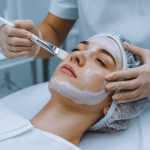
- Cleansing and numbing: the treatment area is cleansed and a topical numbing cream is applied to keep discomfort manageable.
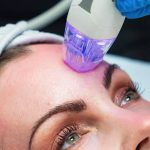
- Laser passes: the 10,600nm CO2 device delivers controlled micro-injuries across the target area in a fractional pattern, sparing surrounding tissue to support faster recovery.
- Immediate cooling and calming care: post-laser, skin is soothed to reduce the initial heat sensation.
During the session, most patients describe the feeling as warmth or light prickling rather than sharp pain, especially with numbing cream on board. Immediately afterward, skin looks flushed, similar to a moderate sunburn, this is expected and part of the healing cascade the laser is designed to trigger.
What happens in the days after:
- Day 1–2: Warmth, tenderness, and visible redness: similar to sun exposure
- Days 2–3: Peeling typically peaks around this window as the outer skin layer sheds
- Up to 1 week: Redness and mild swelling gradually fade
- 1–2 weeks: Full peeling and surface recovery generally complete
Multiple sessions are usually needed to reach your desired result, with the exact number depending on scar depth and skin condition, your provider will map this out during consultation rather than promising a fixed number upfront.
A note on the Korean-standard approach. Yeppeun Skin Clinic’s protocol emphasizes precision energy settings calibrated to the individual rather than a one-size-fits-all pass. Treatment depth and intensity are adjusted to your specific scarring pattern and skin thickness, which is why an in-person assessment, not a generic online quiz, determines your plan.
If you’re nervous about pain, most patients report a warm, slightly stinging sensation during the pass, cooling relief immediately after, and sunburn-like heat for the rest of the day. Very few describe it as unbearable, especially with proper numbing time built into the appointment.
How long do results last?
Collagen remodeling from CO2 fractional laser continues for several months after each session, and visible improvement in scarring and texture is designed to be long-lasting with proper skincare and sun protection. However, ongoing collagen production naturally slows with age and continued sun exposure, which is why maintenance sessions every 6 to 12 months are commonly recommended to preserve and build on results.
Realistic timeline for what to expect:
- Weeks 1–2: Initial redness and peeling resolve; skin looks noticeably smoother as the outer layer refreshes
- 1–3 months: Collagen remodeling accelerates; texture and tone continue improving
- 3–6 months: Full results from a single session typically become visible, as deeper collagen and elastin rebuilding matures
Because acne scarring, sun damage, and fine lines are ongoing processes influenced by genetics, sun exposure, and skin habits, no resurfacing treatment can be described as a one-time, permanent fix. Consistent SPF use, a supportive skincare routine, and periodic maintenance are what help results hold up over time.
It’s also worth setting expectations around “peeling normal” concerns, since this is one of the most common worries patients bring up before treatment: visible flaking and skin shedding in the days following your session is an expected part of the process, not a sign something has gone wrong. It reflects the outer damaged layer clearing away to reveal the fresher skin underneath. That said, any unusual pain, prolonged redness beyond the expected window, or signs of infection should always be reported to your provider promptly rather than managed at home.
Is CO2 fractional laser for me?
CO2 fractional laser is generally well-suited to those dealing with acne or chickenpox scarring, enlarged pores, fine lines, crow’s feet, stretch marks, hyperpigmentation, uneven tone, or visible sun damage. If you’ve tried topical treatments or gentler resurfacing options without seeing the change you want in your skin’s texture, this may be a reasonable next step to discuss.
That said, candidacy depends on individual factors your provider needs to assess directly, including:
- Current skin condition, active breakouts, or infections
- Skin tone and how it responds to laser-induced healing
- Medical history, including certain medications or recent sun exposure
- Realistic expectations about downtime and the number of sessions required
This article is educational and does not replace a professional evaluation, a licensed consultation at Yeppeun Skin Clinic is the only way to confirm whether CO2 fractional laser suits your skin, or whether an alternative resurfacing approach would serve you better.
Who may want to discuss alternatives first. Active acne breakouts, certain skin infections, some autoimmune conditions, recent isotretinoin use, and very recent sun exposure or tanning are all factors your provider will screen for during consultation, since they can affect healing and safety. This isn’t a reason to rule yourself out, it’s simply why the assessment step exists, so your treatment plan is built around your actual skin, not a generic protocol.
Aftercare matters as much as the treatment itself. Post-procedure, patients are guided to:
- Moisturize intensively to support the skin barrier while it heals
- Avoid direct heat, saunas, and sun exposure during the peeling phase
- Skip harsh actives (retinoids, exfoliating acids) until skin has fully recovered
- Resist picking or peeling skin manually, which can affect healing and increase risk of irritation
- Apply broad-spectrum SPF diligently once healed, since new skin is more sun-sensitive
What are the possible combinations for CO2 fractional laser?
CO2 fractional laser is often paired with complementary treatments to support overall skin health, though any combination approach should be planned with your provider based on your skin’s healing timeline. Commonly discussed pairings include:
- Hydrating facials or skin boosters in the weeks before or well after the peeling phase, to support barrier recovery and hydration
- Pigmentation-focused treatments, sequenced carefully around the healing window to address tone concerns without over-treating the skin
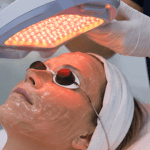
- LED or calming light therapy post-treatment, sometimes used to help soothe redness during early recovery
- A structured skincare regimen with barrier-repair ingredients between sessions to extend and support results
- Maintenance micro-sessions spaced every 6–12 months to sustain collagen stimulation long-term
Sequencing matters, combining treatments too close together, or before skin has fully healed, can increase irritation risk. Your provider will design a timeline that protects your skin while working toward your goals.
Two additional pairings worth discussing at consultation:
- Antioxidant-rich serums (post-healing phase): once the skin barrier has recovered, vitamin C or similar antioxidant formulations can be reintroduced to support tone and brightness alongside your CO2 results.
- Regular dermal maintenance facials between laser sessions: for patients on a multi-session plan, gentle in-between-session facials (once cleared by your provider) can help keep skin hydrated and comfortable without interfering with the healing timeline of the laser itself.
Every combination decision should route back through your provider, since the right sequencing depends on how your individual skin has responded to the CO2 sessions so far.
Book Your CO2 Fractional Laser Appointment Today
Ready to talk to a licensed provider about your skin concerns? Yeppeun Skin Clinic in Jumeirah 2, Dubai is DHA/MOHAP-licensed and follows Korean-standard aesthetic protocols trusted by patients across the region. Book a consultation today to get a personalized assessment of your scarring, skin type, and treatment plan, no guesswork, just an honest conversation about what CO2 fractional laser can realistically do for your skin.
Follow @yeppeunskinclinic for real patient journeys, aftercare tips, and behind-the-scenes looks at Korean-standard skincare in Dubai.
Frequently Asked Questions
Is CO2 fractional laser painful?
Most patients describe CO2 fractional laser as warm or prickling rather than sharply painful, especially with topical numbing cream applied beforehand. Discomfort during the session is generally manageable, though sensitivity varies by individual and treatment area.
How much downtime does CO2 fractional laser require?
Expect redness and warmth for 1–2 days, mild swelling for up to a week, and skin peeling that typically peaks 2–3 days post-treatment and resolves within 1–2 weeks. CoolPeel-enabled CO2 treatments are designed to involve less downtime than traditional fully ablative CO2 lasers.
Can CO2 fractional laser treat deep acne scars?
CO2 fractional laser is commonly used to improve the appearance of acne and chickenpox scars by stimulating collagen remodeling in the treated area. The degree of improvement depends on scar depth and skin type, which is why a licensed provider needs to assess your scarring in person before outlining a realistic treatment plan.
How many CO2 fractional laser sessions will I need?
The number of sessions varies by individual and depends on the severity of scarring, sun damage, or aging signs being treated. Many patients continue with maintenance sessions every 6 to 12 months once their initial results are achieved.
Is CO2 fractional laser safe for all skin tones?
Candidacy depends on individual skin type, tone, and medical history, which is why Yeppeun Skin Clinic requires a licensed consultation before any treatment. This assessment helps determine whether CO2 fractional laser or an alternative resurfacing option is the safer, more effective choice for your skin.