Considering V-Lifting for sagging skin in Dubai? This DHA/MOHAP-licensed, Korean-standard HIFU treatment lifts the jawline and tightens the face and neck in one 15-20 minute session, with no downtime and results building gradually over 2-3 months.
If your jawline has started to soften, your jowls feel heavier, or your neck skin has lost its snap, V-Lifting (High-Intensity Focused Ultrasound, or HIFU) is one of the most researched non-surgical options for sagging skin available in Dubai today. It uses focused ultrasound energy to heat the deep dermal layers, without touching the surface of your skin, to trigger your body’s own collagen and elastin production. Most people notice initial tightening within days, with fuller results appearing over 2-3 months as new collagen builds. A single session at a licensed clinic can visibly lift the jaw and cheek area, and there’s no cutting, no injections, and no real downtime. This guide walks through what V-Lifting actually does, what a session feels like, how long results tend to last, who is a good candidate, and how it pairs with other treatments, so you can have an informed conversation at your consultation.
What are the benefits of V-Lifting?
V-Lifting’s core benefit is a visibly firmer, lifted lower face and neck without surgery, incisions, or injectables. It works with your body’s own collagen-building response rather than adding volume or cutting tissue.
Here’s what patients typically notice:
- Lifted jawline and jowls: the ultrasound energy targets the SMAS layer (the same structural layer surgeons work with in a facelift), so the lift comes from underneath, not just the surface.
- Firmer neck and jaw contour: softening under-chin skin and a loosening neckline are two of the most common reasons people ask about V-Lifting in the first place.
- Smoother texture over time: as new collagen and elastin form, fine lines and skin laxity around the cheeks and lower face gradually improve.
- Zero downtime: no bandages, no recovery days, no need to rearrange your schedule around the appointment.
- No incisions or needles: the device is handheld and non-invasive, delivering energy through the skin’s surface without breaking it.
- Natural-looking progression: because results build gradually as collagen regenerates, the change looks like your skin firming up over time rather than an abrupt or “overdone” shift.
Because Yeppeun Skin Clinic is DHA/MOHAP-licensed and follows Korean-standard treatment protocols, energy levels and technique are calibrated conservatively for even, controlled results rather than an aggressive one-time maximum dose. Korean-standard HIFU protocols are widely followed across Seoul’s aesthetic clinics precisely because they prioritize gradual, natural-looking collagen response over dramatic short-term swelling.
It’s also worth understanding what V-Lifting is not. It won’t remove significant excess skin the way a surgical facelift can, and it doesn’t add volume the way a filler does, it works specifically on tightening existing tissue by encouraging your skin to rebuild its own structural support. That’s an important distinction when you’re comparing it to other sagging-skin options on the market, and it’s a good question to raise directly at your consultation so your practitioner can set accurate expectations for your specific skin.
What can you expect during a V-Lifting session?
A typical V-Lifting session takes about 15 to 20 minutes, depending on how much of the face and neck is being treated and the degree of sagging being addressed. It’s designed to fit into a lunch break.
Here’s the general flow:
- Consultation and skin assessment: a licensed practitioner examines your skin laxity, discusses your goals, and confirms you’re a suitable candidate before any energy is applied.
- Cleansing and marking: the treatment area (face, jawline, and/or neck) is cleaned, and treatment zones are mapped out.
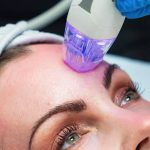
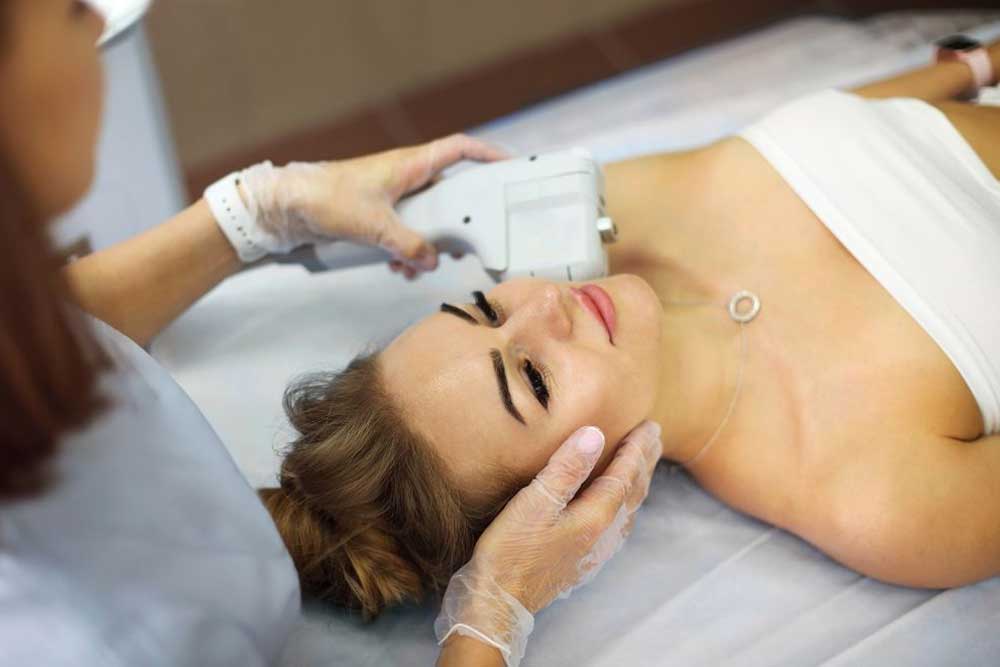
- Ultrasound application: the handheld HIFU device is passed over the skin in a grid pattern, delivering focused ultrasound energy to precise depths in the dermis and SMAS layer.
- Sensation during treatment: you’ll likely feel brief warmth or tingling as the energy reaches the target layer. Most patients describe it as tolerable rather than painful; a topical numbing option can be discussed if you’re sensitive.
- Immediate aftercare: some mild redness or a warm, flushed feeling can appear right after treatment and typically fades within a few hours to a couple of days.
Most people can go straight back to work, errands, or the gym the same day. There’s no bandaging, no wound care, and no restricted activity beyond typical sun-care basics. A licensed provider will usually recommend sunscreen and gentle skincare for a few days afterward to support the skin as it responds to treatment.
A common question at this stage is what happens in the days and weeks after. You won’t see the final result immediately, the visible lift builds gradually as your body produces new collagen in response to the ultrasound energy. Some patients notice a subtle initial tightening within the first week, simply from the skin’s immediate reaction to heat, but the more meaningful, longer-lasting change tends to appear progressively over the following 8 to 12 weeks. This gradual timeline is normal and expected, not a sign the treatment isn’t working.
How many sessions do you need? A single session can already produce a noticeable lift for many patients. For more pronounced sagging or a fuller result, 2 to 3 sessions spaced 4 to 6 weeks apart are commonly recommended, since collagen remodeling continues in the weeks following each treatment.
How long do V-Lifting results last?
Results from V-Lifting generally last between 6 and 9 months, and in some patients up to 1 to 2 years, depending on skin type, age, sun exposure, and lifestyle factors. This isn’t a one-and-done permanent change, your skin continues its natural aging process afterward, so most patients plan on periodic maintenance sessions to sustain the lift.
A few things influence how long your results hold:
- Age and starting skin laxity: earlier intervention (30s to mid-40s) tends to hold results longer than treating more advanced sagging.
- Collagen production speed: this varies person to person and is part of why the timeline for full results (typically visible by month 2-3) also varies slightly.
- Sun protection and skincare habits: daily SPF use and a consistent skincare routine help protect the new collagen you’ve built.
- Lifestyle factors: smoking, significant weight fluctuation, and sleep quality all affect how skin ages and how long tightening effects are maintained.
Because results build gradually and fade gradually too, many patients choose to schedule a follow-up session around the 9-12 month mark to maintain their contour rather than waiting until sagging fully returns.
Is V-Lifting for me?
V-Lifting is best suited to adults roughly 30 and older with mild to moderate skin laxity who want a non-surgical way to firm the jawline, cheeks, or neck. It’s a preventative and corrective option, not a replacement for a surgical facelift in cases of significant, advanced skin laxity.
You may be a good candidate if you:
- Notice early to moderate sagging along the jawline, jowls, or under the chin
- Want a lifted, firmer look without surgery, injections, or downtime
- Are looking for a gradual, natural-looking improvement rather than an instant dramatic change
- Have realistic expectations about timeline: visible improvement over weeks to months, not overnight
V-Lifting may not be the right first step if you have significantly advanced skin laxity or excess skin that would typically require a surgical approach, if you’re pregnant, or if you have certain skin conditions or metal implants in the treatment area. This is exactly the kind of nuance a licensed consultation is for, a practitioner can assess your skin in person and tell you honestly whether V-Lifting, a different energy-based treatment, or a referral for a surgical opinion is the better fit. No online article, including this one, can diagnose your skin or promise a specific outcome; that assessment has to happen face-to-face.
What are the possible combinations for V-Lifting?
V-Lifting is frequently combined with other treatments to address skin quality, hydration, and volume alongside the lifting effect, since HIFU tightens structure but doesn’t add hydration or replace lost volume on its own. Common pairings include:
- BB Shine: supports overall skin radiance and texture alongside the lifting effect.
- Reboot Peel: helps refine surface texture and tone for a more even complexion.
- Skin boosters and HA fillers: restore hydration and soft volume in areas where sagging is paired with hollowing, complementing the lift HIFU provides at the structural level.
- Slender Shots: can be paired for patients also targeting body or facial contouring goals.
- Ultherapy: another focused-ultrasound option sometimes layered into a broader lifting plan for deeper or more extensive laxity.
- Virtue Divine: often discussed alongside V-Lifting for patients wanting a more comprehensive skin-quality and tightening protocol.
Two additional combinations worth asking about at consultation:
- Collagen-stimulating skin boosters after HIFU: timing a booster session a few weeks after V-Lifting can support the skin while new collagen is actively forming.
- LED or hydrating facials in the weeks following treatment: gentle, non-aggressive add-ons can help calm the skin and support comfort without interfering with the collagen response.
Because everyone’s skin responds differently, the right combination, and the right order and spacing of treatments, should always be mapped out with a licensed practitioner rather than self-selected.
Book Your V-Lifting Appointment Today
Ready to find out if V-Lifting is right for your skin? Book a consultation with Yeppeun Skin Clinic, a DHA/MOHAP-licensed clinic in Jumeirah 2, Dubai, offering Korean-standard HIFU technique in a treatment plan built around your skin, your goals, and your timeline.
Follow Yeppeun Skin Clinic on Instagram for real before-and-after glimpses, treatment breakdowns, and clinic updates, a good way to see the Korean-standard approach in action before your visit.
Frequently Asked Questions
Is HIFU (V-Lifting) painful?
Most patients describe V-Lifting as tolerable rather than painful, with brief warmth or tingling as the ultrasound energy reaches the deeper skin layers. Sensitivity varies by person and treatment area, and a licensed practitioner can discuss comfort options such as topical numbing before your session.
How many HIFU sessions do I need for visible results?
A single V-Lifting session can already produce a noticeable lift for many patients, while more pronounced sagging often benefits from 2 to 3 sessions spaced 4 to 6 weeks apart. Your practitioner will recommend a session count based on your skin’s current laxity during your consultation.
How long do V-Lifting results last?
Results typically last 6 to 9 months, and sometimes up to 1 to 2 years, depending on age, skin type, and lifestyle factors like sun exposure. Because collagen production and skin aging continue afterward, many patients schedule a maintenance session around the 9-12 month mark.
Does HIFU really tighten sagging skin?
Yes, HIFU (V-Lifting) uses focused ultrasound energy to heat the SMAS layer, the same structural layer addressed in surgical facelifts, which stimulates the body’s own collagen and elastin production to lift and firm skin from underneath. Results build gradually over 2-3 months as new collagen forms, rather than appearing instantly.
Is V-Lifting better than a surgical facelift?
V-Lifting is a non-surgical option best suited to mild-to-moderate sagging, offering no downtime and a gradual, natural-looking lift, while surgery is generally reserved for more advanced skin laxity. Which option fits your skin depends on your individual degree of sagging, which is best assessed during an in-person consultation.