High-dose Vitamin D shot in Dubai at DHA-licensed Yeppeun Skin Clinic, Jumeirah 2. Korean-standard IM injection for deficiency, fatigue, immunity & skin.
Living in Dubai doesn’t mean your body is getting enough vitamin D, most residents here are indoors, in AC, and covered in sunscreen most of the day, so sun exposure alone rarely fixes it. A Vitamin D shot is a high-dose intramuscular injection, usually given in the deltoid (upper arm), that delivers concentrated vitamin D directly into the bloodstream so your body can absorb it faster and more reliably than a daily pill. At Yeppeun Skin Clinic in Jumeirah 2, this is done as a quick, DHA-licensed, Korean-standard in-clinic shot, no drip, no downtime, done in minutes. It’s typically used to support bone strength, immunity, energy, mood, and even skin health, but suitability always depends on a proper blood test first, not guesswork.
What are the benefits of a Vitamin D Shot?
The main benefit of a Vitamin D shot is fast, reliable absorption of a vitamin your body genuinely struggles to get enough of, even in a sunny country like the UAE. Because the shot bypasses digestion, it goes straight into the bloodstream, which matters if you have gut absorption issues or you’ve tried oral supplements without much change in your labs.
Patients commonly ask for this shot to support:
- Bone strength: vitamin D helps your body actually absorb calcium, which is the whole point of taking calcium in the first place
- Immune function: adequate vitamin D levels are linked to a lower risk of frequent colds, infections, and viral illness
- Energy and mood: low vitamin D is strongly associated with fatigue, low mood, and that “always tired” feeling many Dubai residents describe
- Muscle function: supports normal muscle contraction and reduces aches linked to deficiency
- Skin support: vitamin D has anti-inflammatory properties that can benefit overall skin condition
None of these benefits are instant or automatic, they depend on your actual deficiency level, which is why Yeppeun recommends checking your levels with a blood test before or alongside treatment, rather than assuming you’re low.
Why is vitamin D deficiency so common in Dubai despite the sun? It sounds backwards, but the UAE consistently reports high rates of vitamin D deficiency even with near-constant sunshine. The reason is simple: your skin needs direct, unprotected UVB exposure to make vitamin D, and most residents don’t get much of that. Long hours indoors in air-conditioned offices, malls, and cars, combined with sunscreen use, modest dress, and simply avoiding the heat outdoors for most of the year, all reduce the skin’s ability to produce vitamin D naturally. So “living somewhere sunny” and “getting enough vitamin D” are not the same thing at all, which is exactly why so many residents here test low even after years in the country.
What can you expect during a Vitamin D Shot?
A Vitamin D shot at Yeppeun takes about 3 to 5 minutes from start to finish, start to finish including prep. It’s a single intramuscular injection, usually into the deltoid muscle in your upper arm, similar to a flu shot.
Here’s what the visit typically looks like:
- A short consultation to review your health history, current symptoms, and: ideally: recent vitamin D blood test results
- The injection itself, which involves a brief, sharp pinch that most patients describe as minimal discomfort
- A few minutes of observation before you head out
- No sedation, no numbing cream needed, and no recovery room required
Aftercare is simple. You can go straight back to work, the gym, or your day, there’s no downtime. Some patients notice mild bruising or slight tenderness at the injection site for a few hours to a couple of days, which is completely normal and resolves on its own. Staying hydrated and avoiding heavy pressure on the injection site for the rest of the day is generally enough aftercare.
Because Yeppeun follows Korean-standard clinical protocols, the technique focuses on precise muscle depth and injection angle to minimize discomfort and bruising compared to a rushed or poorly placed shot. This attention to injection technique is a big part of why Korean-standard aesthetic and wellness clinics have built such a strong global reputation, small details like needle gauge, injection angle, and site rotation genuinely change how a shot feels and how quickly the bruising, if any, resolves.
In plain terms, here’s how the mechanism works: vitamin D isn’t “active” the moment it enters your bloodstream, your liver and kidneys convert it into its usable form over the following days, which is why patients don’t feel an overnight transformation. Think of the shot as topping up a reservoir your body draws from gradually, supporting calcium absorption, immune activity, and muscle function along the way. A follow-up blood test weeks later is the only reliable way to confirm it worked, not how you feel day to day.
How long do results last?
How long a Vitamin D shot “lasts” really depends on your starting deficiency level, your lifestyle, and how much natural sun and dietary vitamin D you’re getting afterward, there’s no fixed timeline that applies to everyone. Some patients feel a difference in energy and mood within a couple of weeks as their levels start correcting; others need a longer course before they notice a change, especially if their deficiency was significant.
A few realistic points on timing:
- Vitamin D is a fat-soluble vitamin, meaning it’s stored in the body longer than water-soluble vitamins, which is part of why high-dose shots can have a longer effect than daily oral drops
- Follow-up blood testing is the only real way to know if your levels have normalized, not how you feel day to day
- Some patients need a single shot to correct a mild deficiency; others with more significant deficiency may need periodic follow-up shots, spaced out based on their retesting results
- Ongoing factors like limited sun exposure, indoor lifestyle, darker skin tone, or age can mean levels drop again over time without maintenance
This is exactly why Yeppeun frames this as an ongoing wellness measure rather than a one-time fix, your clinician will recommend a retest and follow-up plan based on your specific labs, not a generic schedule.
A realistic timeline many patients can expect: bloodwork and consultation first, the shot itself on the same or a follow-up visit, then a retest window of roughly 8 to 12 weeks later to see how your levels have responded. That window gives the vitamin D enough time to be metabolized and reflected accurately in your bloodwork, testing too early can give a misleading reading. If your levels have normalized, your clinician may simply recommend lifestyle habits (some safe sun exposure, dietary sources, or a low-dose maintenance supplement) to keep levels stable, rather than another shot.
Is a Vitamin D Shot for me?
A Vitamin D shot may be worth considering if you have symptoms of deficiency, persistent fatigue, low mood, frequent illness, muscle aches, or bone discomfort, especially if you spend most of your day indoors or consistently use high-SPF sunscreen (which is otherwise a good habit). It’s also relevant if you’ve had oral vitamin D supplements without much improvement in your blood levels.
That said, a Vitamin D shot is not a substitute for diagnosis. This clinic does not diagnose vitamin D deficiency without proper testing, and this treatment isn’t meant to replace medical evaluation for underlying fatigue or health concerns that could have other causes. A blood test is the only accurate way to confirm your levels and determine the right dose for you.
The shot is generally not recommended for:
- Pregnant or breastfeeding individuals, who should avoid high-dose vitamin therapy
- Anyone with a history of hypercalcemia or certain kidney conditions, without medical clearance first
- Patients who haven’t had recent bloodwork and want a shot purely “just in case”
During your consultation at Yeppeun, the team will review your health history and, ideally, your latest vitamin D blood test results before recommending a dose or treatment plan. If you don’t have recent labs, they can guide you toward getting tested first so the treatment is based on your actual numbers, not a guess.
A few nuances worth knowing before you book: people with naturally darker skin tones produce less vitamin D from the same amount of sun exposure, which is one reason deficiency rates skew higher in certain populations here. Age also plays a role, since the skin’s ability to synthesize vitamin D naturally declines over time. None of this means you automatically need a shot, it just means these are useful things to mention during your consultation so the clinician can interpret your bloodwork properly and recommend a plan suited to you specifically, rather than a one-size-fits-all dose.
What are the possible combinations for a Vitamin D Shot?
A Vitamin D shot is often paired with other wellness or skin treatments at Yeppeun for patients looking to address energy, immunity, and skin health together in one visit. Common combinations include:
- Multivitamin injections: for broader micronutrient support alongside targeted vitamin D correction, useful if your bloodwork shows more than one deficiency
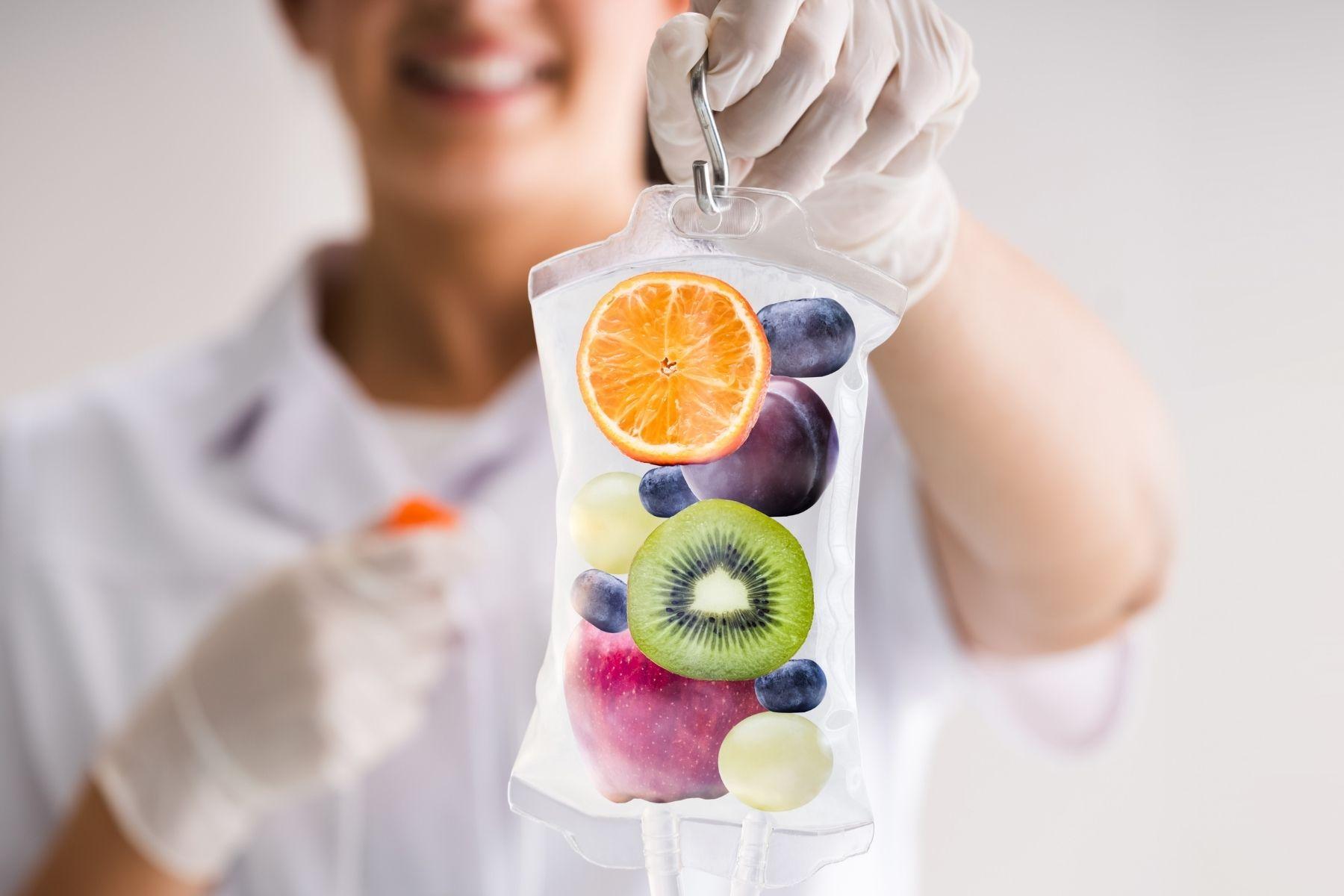
- Glow-up IV therapy: for patients who want hydration, antioxidants, and skin-brightening support in the same session as their vitamin D top-up
- B12 or energy-focused shots: a popular pairing for patients whose main complaint is fatigue, since low B12 and low vitamin D often overlap
- Immune-support IV drips: especially requested during flu season or before travel, when patients want both fast absorption and broader immune coverage
- Skin booster or hydration facials: since vitamin D’s anti-inflammatory role can complement in-clinic skin treatments for patients focused on overall skin condition, not just injections
Combination plans are always built around what your bloodwork and consultation show, not a fixed package, your clinician will tell you what actually makes sense for your levels and goals.
Book Your Vitamin D Shot Appointment Today
If you’ve been feeling low on energy, catching every cold that goes around, or simply haven’t checked your vitamin D levels in a while, it’s worth starting with a consultation. Yeppeun Skin Clinic in Jumeirah 2 is DHA/MOHAP-licensed and follows Korean-standard clinical protocols for every injectable treatment, including the Vitamin D shot, book your appointment today and let the team guide you from testing through to treatment.
Follow Yeppeun Skin Clinic on Instagram for more on wellness injectables, skin treatments, and what’s actually worth booking in Dubai’s clinic scene.
FAQ
Is a Vitamin D shot better than taking Vitamin D tablets?
A Vitamin D shot delivers the vitamin directly into the bloodstream through the muscle, which can mean faster, more reliable absorption than oral tablets, especially for people with gut absorption issues. That said, tablets work well for many people with mild deficiency, your blood test results and clinician’s recommendation should guide which option fits you best.
How common is Vitamin D deficiency in Dubai and the UAE?
Vitamin D deficiency is very common in the UAE despite the year-round sun, largely because most people spend their days indoors in air conditioning, wear sunscreen, or cover up outdoors. A simple blood test is the only way to confirm whether you’re actually deficient rather than assuming based on how sunny it is outside.
Does the Vitamin D shot hurt, and is there any downtime?
The injection itself causes only minimal discomfort, similar to a routine flu shot, and takes about 3 to 5 minutes at the clinic. There’s no downtime, you can return to normal activities immediately, though mild bruising or tenderness at the injection site is possible for a few hours to a couple of days.
How often do you need a Vitamin D shot in Dubai?
How often you need a Vitamin D shot depends entirely on your deficiency severity and follow-up blood test results, so there’s no single standard frequency for everyone. Some patients need just one shot to correct mild deficiency, while others with more significant deficiency may need periodic follow-up shots based on retesting.
Can I get a Vitamin D shot if I’m pregnant or breastfeeding?
High-dose Vitamin D shots are generally not recommended for pregnant or breastfeeding individuals. If you’re pregnant, breastfeeding, or unsure whether this treatment is appropriate for you, speak with your doctor and the Yeppeun team before booking.